
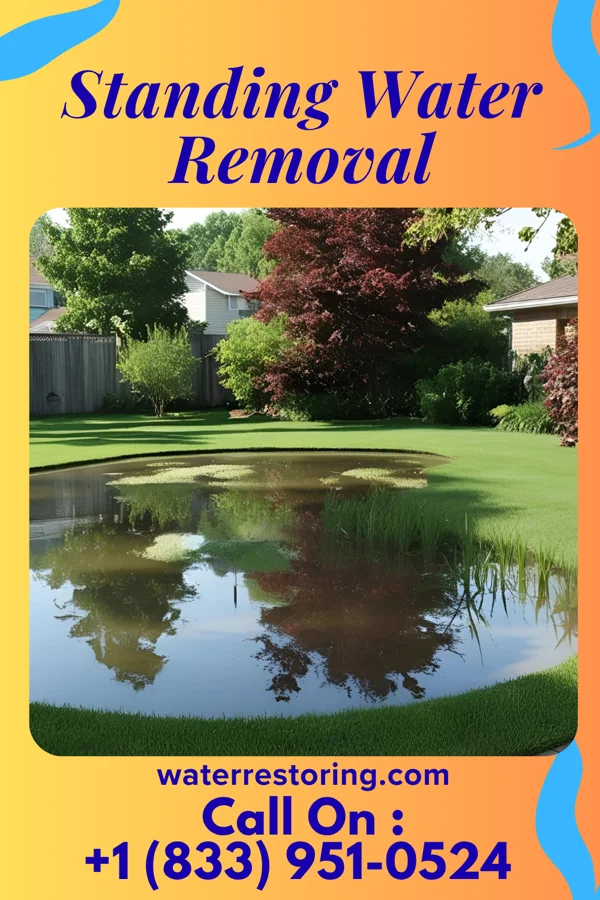
Standing Water Risks in Glacier View
Property owners across Glacier View call certified water damage restoration when In Glacier View, Alaska, the primary water damage cause is often related to seasonal thawing of permafrost and sudden spring flooding from melting snowpack, which can overwhelm local infrastructure. Additionally, heavy rainfall during the short summer months can lead to rapid water accumulation in low-lying areas.. A close second is Secondary causes include leaking septic tanks, burst pipes due to freezing and thawing cycles, and groundwater seepage through poorly sealed foundations in rural homes. These issues are exacerbated by the region's remote location and limited access to immediate repair services..
Glacier View experiences a subarctic climate with long, cold winters and short, wet summers. This creates a high risk of water intrusion during thaw periods and heavy precipitation events, which can lead to prolonged water damage if not addressed promptly.
Glacier View experiences a subarctic climate with long, cold winters and short, wet summers. This creates a high risk of water intrusion during thaw periods and heavy precipitation events, which can lead to prolonged water damage if not addressed promptly. The dominant local driver is In Glacier View, Alaska, the primary water damage cause is often related to seasonal thawing of permafrost and sudden spring flooding from melting snowpack, which can overwhelm local infrastructure. Additionally, heavy rainfall during the short summer months can lead to rapid water accumulation in low-lying areas., with Secondary causes include leaking septic tanks, burst pipes due to freezing and thawing cycles, and groundwater seepage through poorly sealed foundations in rural homes. These issues are exacerbated by the region's remote location and limited access to immediate repair services. showing up as the next most common cause. Damage builds in stages. Spread. Absorption. Microbial growth. Structural compromise. Every stage you pass through adds to the final bill.
For public guidance on the health effects of mold after prolonged water exposure, see the EPA mold and health page.